By Jackie Naylor
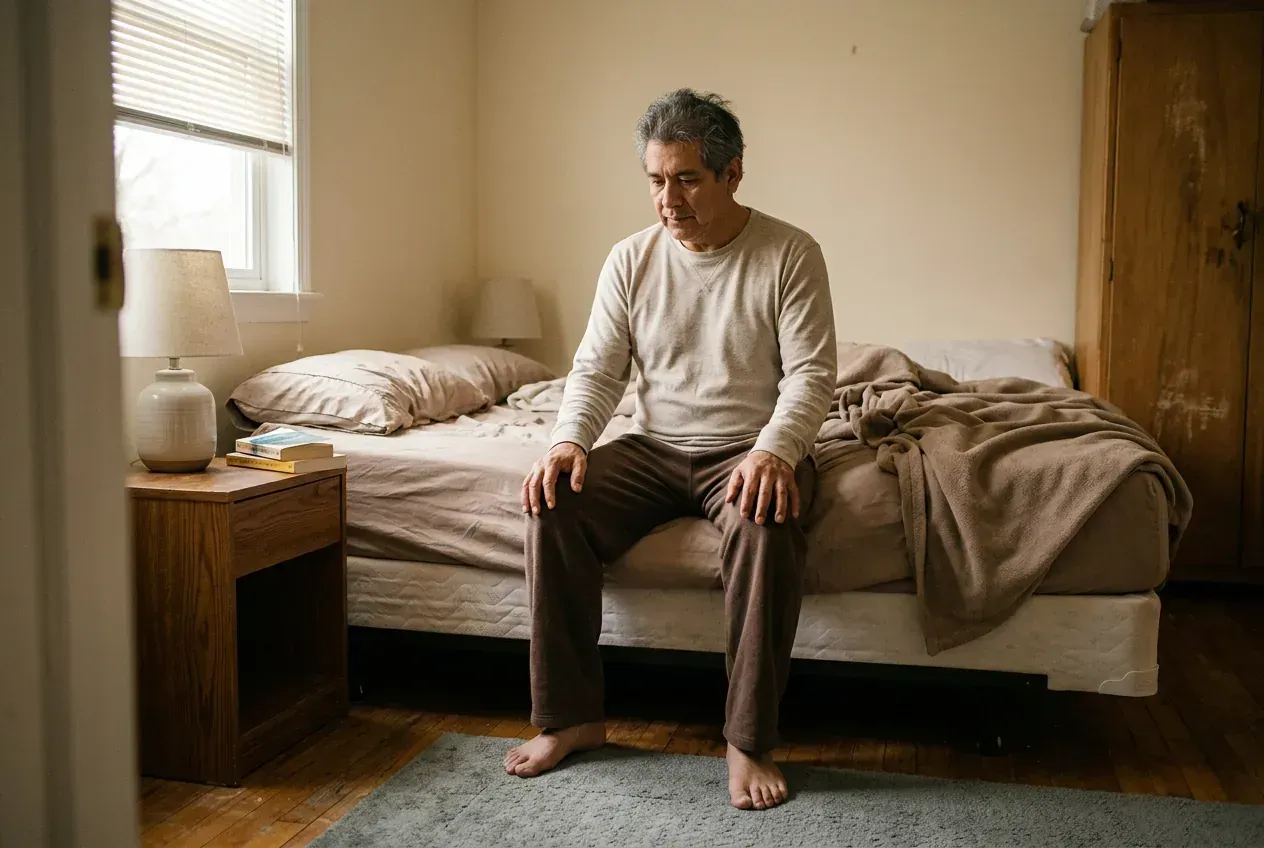
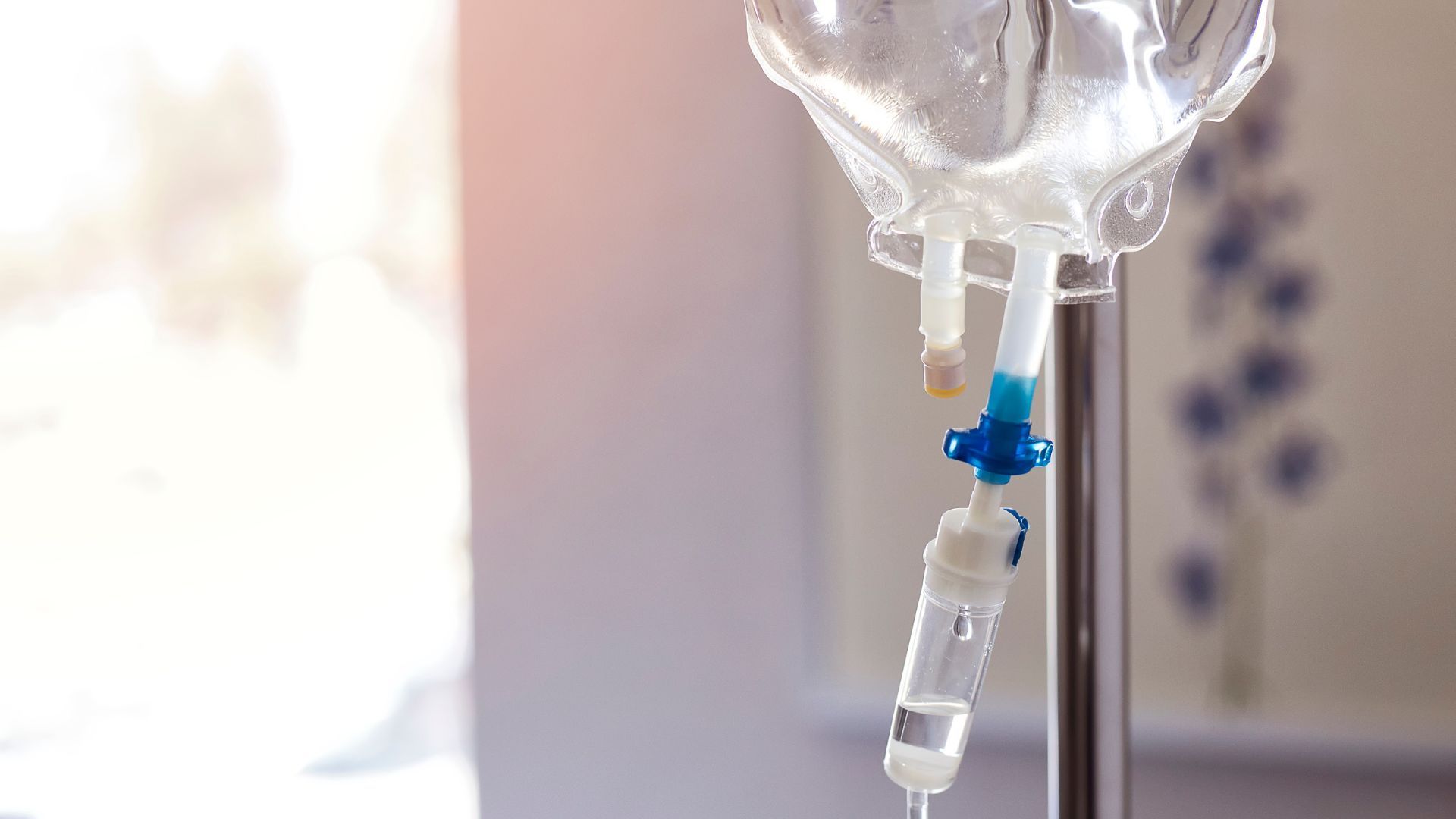
Age 72 for a long time I'd been getting a rash which disappeared and reappeared daily and I gradually lost the use of my legs. I collapsed at a hospital consultant appointment and was admitted into ICU with septic shock then I was moved onto a ward where I was diagnosed with the very rare autoimmune Adult Onset Stills Disease. I had lost the use of both my arms and legs, was covered in sores, lost half my hair, had blood transfusion, nebulizer and daily IVs and it took a while for the doctors to stabilize me with a multitude of medications.
I contracted Covid in the hospital and was put in an isolation room for 10 days which was excruciating.
I was finally admitted to a Community Hospital where through rehab I have learned to walk again.
I was in hospital for 14 weeks and its taken the last year to get anywhere near normality having conquered trigger fingers on both hands. I still have painful knees and stiff fingers, low kidney function, AF and have daily injections of Kineret.
But I can now sew, play the guitar and walk unaided. I still get very fatigued but can't praise the NHS enough for the amazing job in my successful rehabilitation as I'm now in remission
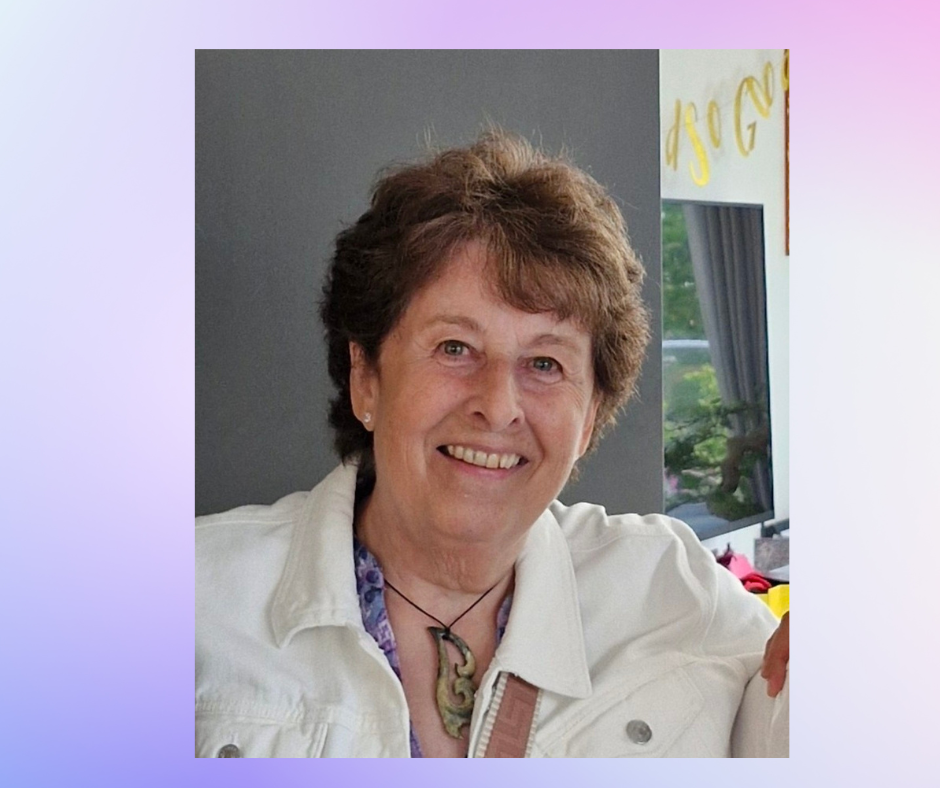
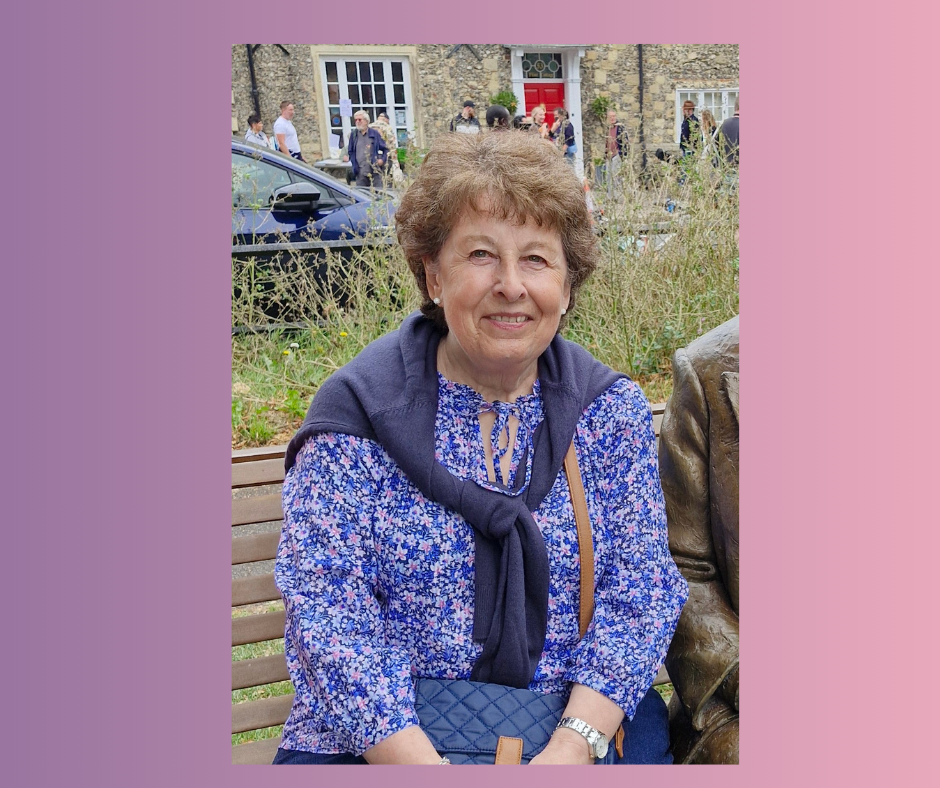
The first photo is me a month after discharge from hospital
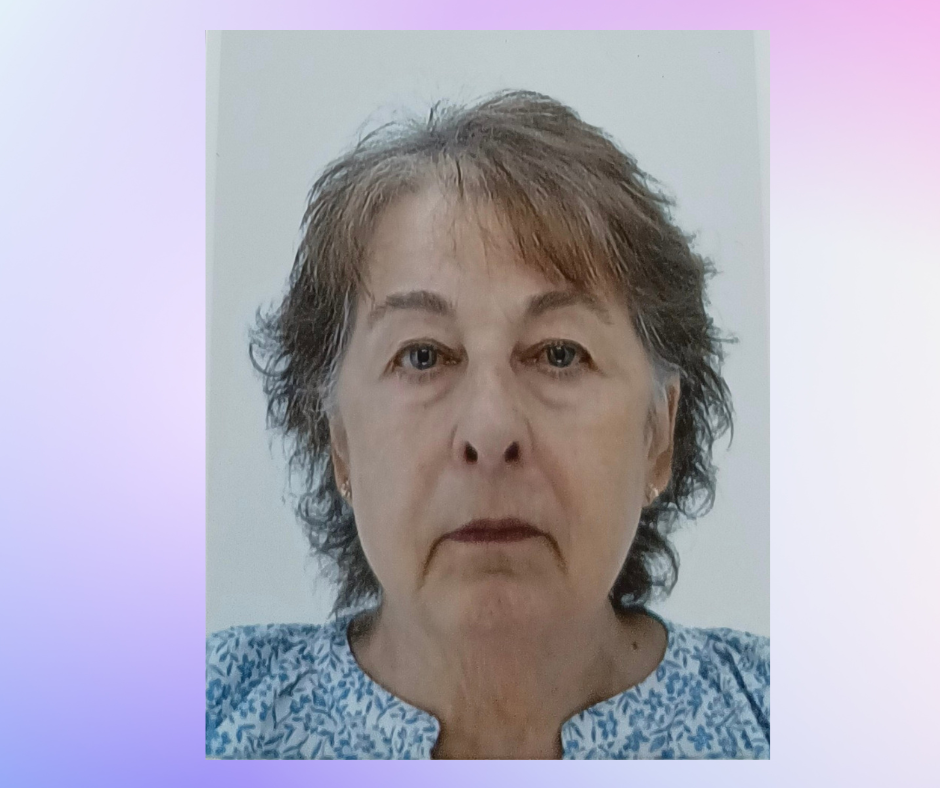
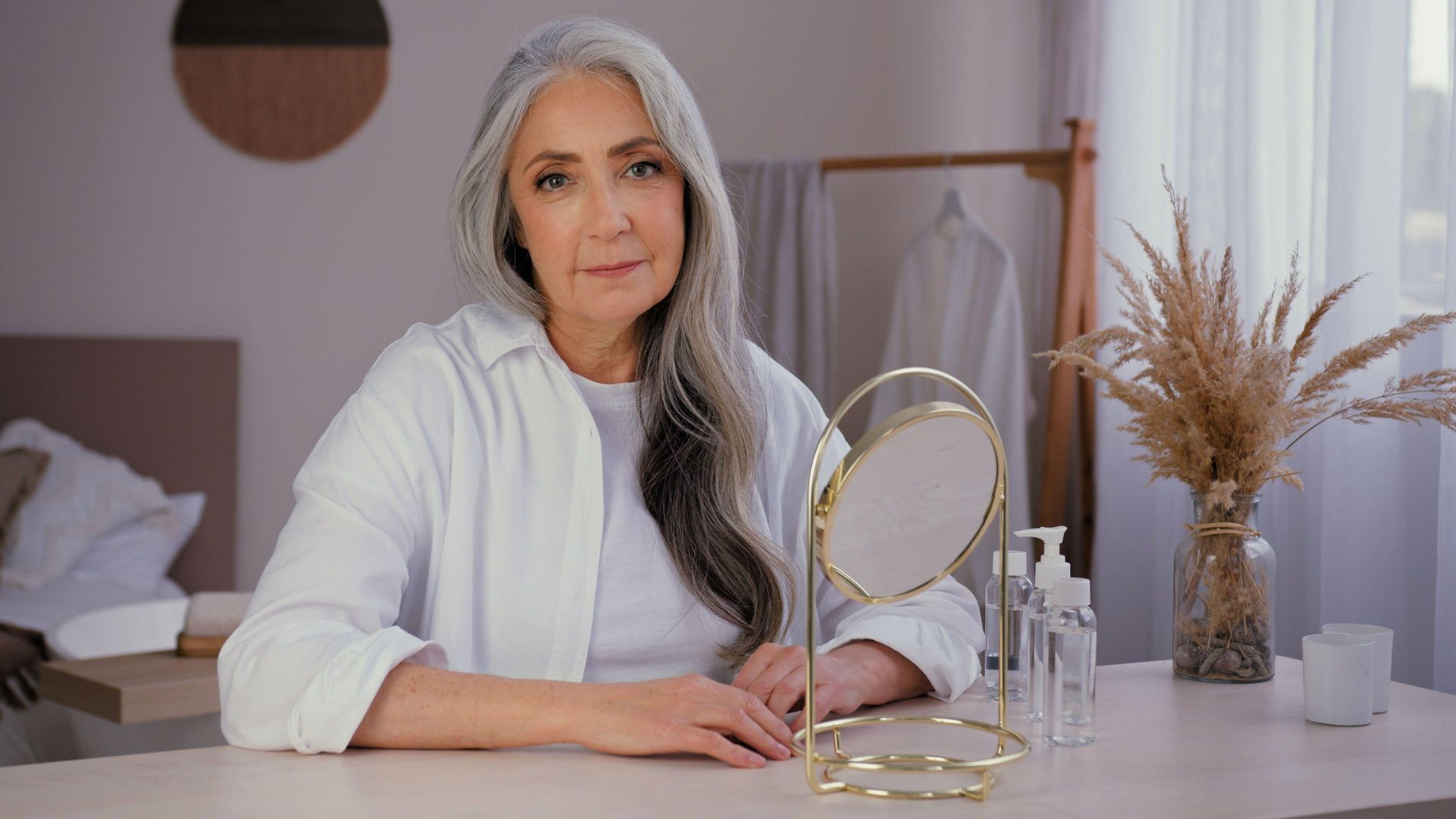
The second and third photos are me today
Kind regards
Jackie Naylor